Inside the Sessions: The Attention Economy Is Broken. What’s Next for Brands?
More content. More platforms. More competition for attention. And somehow, less connection. As brands fight to be seen in an increasingly crowded world, a bigger question is emerging: is getting noticed really enough? From the growing appeal of nostalgia to the search for genuine human connection, Golden Drum 2026 offered a fascinating look at the cultural shifts reshaping the relationship between brands and audiences.
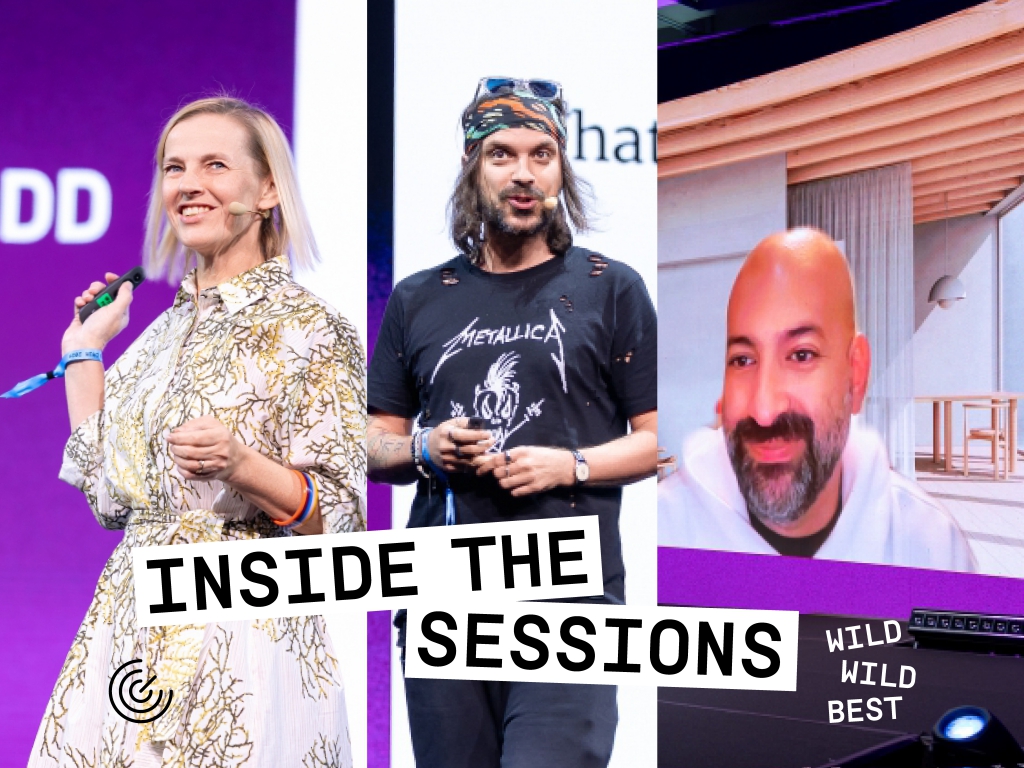
Revisiting some of the festival's most thought-provoking sessions, Katrina Stirton Dodd, Islam ElDessouky and Mihnea Gheorghiu revealed why staying relevant takes more than simply showing up. It's about understanding what people care about, becoming part of the conversations that matter and creating experiences they actually want to be part of.
We're Drowning in Content. And Looking for a Way Out.
The internet has never been louder. But are we actually listening?
Katrina Stirton Dodd, Trends Editor at Contagious, explored this paradox through three cultural shifts shaping 2026: the attention sink, the nostalgia industrial complex and the loneliness disconnect. Her observations revealed a world struggling to keep up with an overwhelming supply of digital entertainment, while simultaneously craving familiarity and genuine human connection.
Take nostalgia – from the renewed popularity of vinyl records to brands tapping into childhood memories, the past has become an increasingly attractive escape from an uncertain present. But nostalgia isn't the only response to an overstimulated world. As digital interactions multiply, people are also searching for a stronger sense of belonging. Technology may connect us instantly, but that doesn't necessarily make us feel less alone.
For brands, this creates an interesting opportunity. Rather than adding another piece of disposable content to an already overflowing feed, why not create something that brings people together? Perhaps the future of engagement isn't about another million views, but about making people feel part of something.
From Impressions to Experiences
If consumers are looking for something more meaningful, what should brands actually do about it?
For Islam ElDessouky, Global Creative Excellence Lead at The Coca-Cola Company, the answer begins with rethinking the relationship between brands and audiences. Instead of simply communicating messages, brands should create experiences people actively want to join.
Drawing on Coca-Cola's FIFA World Cup 2026 platform Feel It All, Islam demonstrated how a strong central idea can connect with different audiences through shared passions. Of course, reaching diverse consumers requires more than a one-size-fits-all approach. AI-powered segmentation can help brands understand different interests and deliver more relevant communication.
But the technology is only useful when it serves a clear creative vision. A great strategy needs focus, a distinctive point of view and an idea powerful enough to inspire participation. The real opportunity isn't just to reach people where they are. It's to give them a reason to get involved.
Culture Doesn't Wait for Approval
And then there's the question of relevance. Mihnea Gheorghiu, Global Chief Creative Officer of LePub Network and a Golden Drum Hall of Fame member, challenged the industry's tendency to play it safe in a world that rewards originality.
Social media, he argued, remains one of the few environments where brands can experiment, react and participate in culture as it happens.
But there's a catch.
Brands aren't just competing with other brands. They're competing with everything people find interesting online, from creators and memes to unexpected cultural moments. That means relevance cannot simply be manufactured through more content or bigger media budgets. It requires understanding culture, recognising opportunities and having the confidence to respond.
Mihnea also challenged the industry's obsession with follower counts, arguing that a creator's distinctive voice and craft deserve greater attention than the size of their audience. Cultural relevance isn't about being everywhere. It's about showing up in a way that actually matters.
Stop Interrupting. Start Belonging.
Katrina explored why audiences are searching for meaningful connections. Islam showed how brands can turn shared passions into experiences. Mihnea demonstrated why relevance depends on becoming part of culture rather than simply advertising alongside it. Together, their perspectives point towards a different way of thinking about brand success.
Impressions can tell us how many people saw something. Engagement can tell us how many interacted with it. But neither automatically tells us whether a brand created something meaningful.
In an attention economy where everyone wants to be seen, the real winners might be the brands that make people feel something. Perhaps the more interesting question is whether people would have cared if the brand hadn't shown up at all.
Want to learn more? Watch the official speaker video!
Want to take a walk down memory lane? Watch the official Golden Drum After Movie!