Inside the Sessions: AI Can Do More. But Can it Do it Better?
Faster ideas, smarter workflows, endless possibilities. AI promises to transform almost every corner of the creative industry. But if technology allows us to produce more than ever before, does that automatically mean we're creating better work? At Golden Drum 2026, the conversation around AI went far beyond automation and efficiency, opening up bigger questions about the future of brands, creativity and the people behind it all.
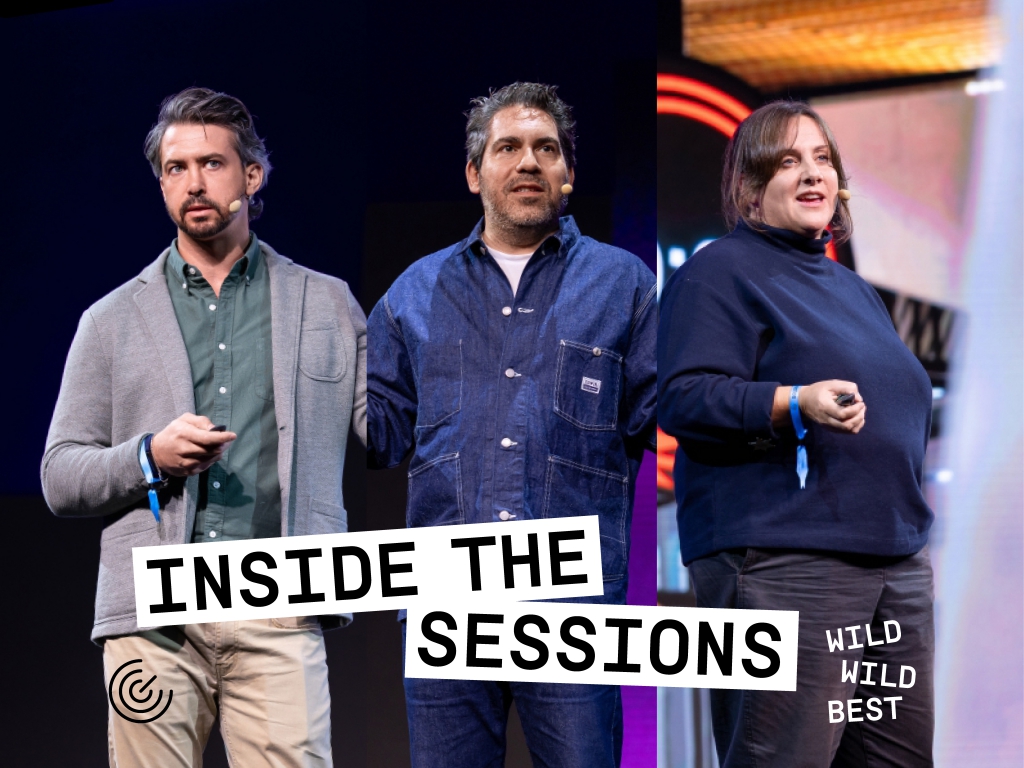
Looking back at the insights shared on the festival stage, Fitz Maro, Toygun Yilmazer and Emma Follett brought three distinct perspectives to the discussion, from reimagining how creatives spend their time to understanding how AI interprets brands and why human judgement, imagination and craftsmanship remain more valuable than ever.
What If Productivity Isn't the Point?
For years, technology has promised to make us more productive. But what happens when increased productivity simply means more tasks, more expectations and less time to think?
Fitz Maro, Head of the Americas, Design Technology at Brand Innovation Lab, Amazon Ads, offered an alternative vision. Instead of using AI to produce an endless stream of creative outputs, why not use it to protect the time needed for genuinely creative work?
His AI-powered second brain is designed to do exactly that. By remembering context, connecting information and managing recurring responsibilities, it helps take care of the administrative tasks that often dominate a creative professional's day. From emails and reports to project coordination, Fitz demonstrated how intelligent agents can create more room for strategic thinking, collaboration and leadership.
But the most interesting part of his approach wasn't the technology itself – it was the intention behind it. The goal isn't to make humans work more like machines. It's to let machines handle the work that keeps humans from being creative.
Your Brand Isn't the Only One Telling Its Story
While Fitz explored AI behind the scenes, Toygun Yilmazer, Chief Transformation Officer at TBWA\Istanbul, examined what happens when artificial intelligence moves into the relationship between brands and consumers.
Traditionally, marketers have worked to shape perceptions through carefully crafted messages, experiences and campaigns. But AI introduces another interpreter into that relationship. When consumers turn to intelligent systems for information and recommendations, brands are no longer represented solely by what they choose to communicate. AI can gather information from multiple sources, compare claims and construct its own interpretation of a company. Yet, that interpretation might not be entirely accurate. Outdated information, incomplete data and conflicting sources can all influence how a brand is represented.
For marketers, this creates a new responsibility: understanding not only what a brand says and how people experience it, but also how intelligent systems interpret the available evidence. Toygun's idea of being legible to AI and lovable to humans captures the challenge. A brand must be understandable to technology without losing the emotional qualities that make it meaningful to people.
Perfectly Produced. Completely Forgettable?
And then there's the question of quality. If AI can help produce polished work faster than ever, what separates something technically impressive from something genuinely memorable?
For Emma Follett, Co-Chief Creative Officer at Design Bridge and Partners, the answer lies in craft. Not simply the ability to execute an idea beautifully, but the intention, imagination and care behind every decision.
Through examples including Aston Martin and a clock at London Bridge station, Emma explored how exceptional craftsmanship transforms brand strategy into experiences that resonate emotionally. Her philosophy brings together Head, Heart and Hands, recognising that enduring brands require strategic clarity, emotional understanding and thoughtful execution. It's a reminder that creativity isn't only about the final result. It's also about the process, the details and the human judgement that shapes them.
Technology may help accelerate execution, but speed alone cannot guarantee that something will connect with an audience. Because being able to make something isn't the same as knowing why it should exist.
The Real Question Isn't What AI Can Do
Fitz Maro showed how AI can give creatives more time. Toygun Yilmazer explored how it changes the way brands are interpreted. Emma Follett reminded us why care, imagination and emotional understanding remain essential to the work itself.
Together, their perspectives raise a more useful question than whether AI will replace creativity: How can the industry use increasingly powerful technology to create work that is not only faster and more efficient, but also more thoughtful, distinctive and meaningful?
The answer won't come from technology alone. It will depend on the decisions people make about how, when and why to use it.
Hungry for more insights? Watch the official speaker video!
Missing Portorož? Watch the official Golden Drum After Movie!